
What it is
Dental implants are a tooth-replacement option designed to replace missing teeth.
Dental Implants
Learn how dental implants can be used to replace missing teeth and what the treatment journey may involve at The Dental Hut in Airoli.
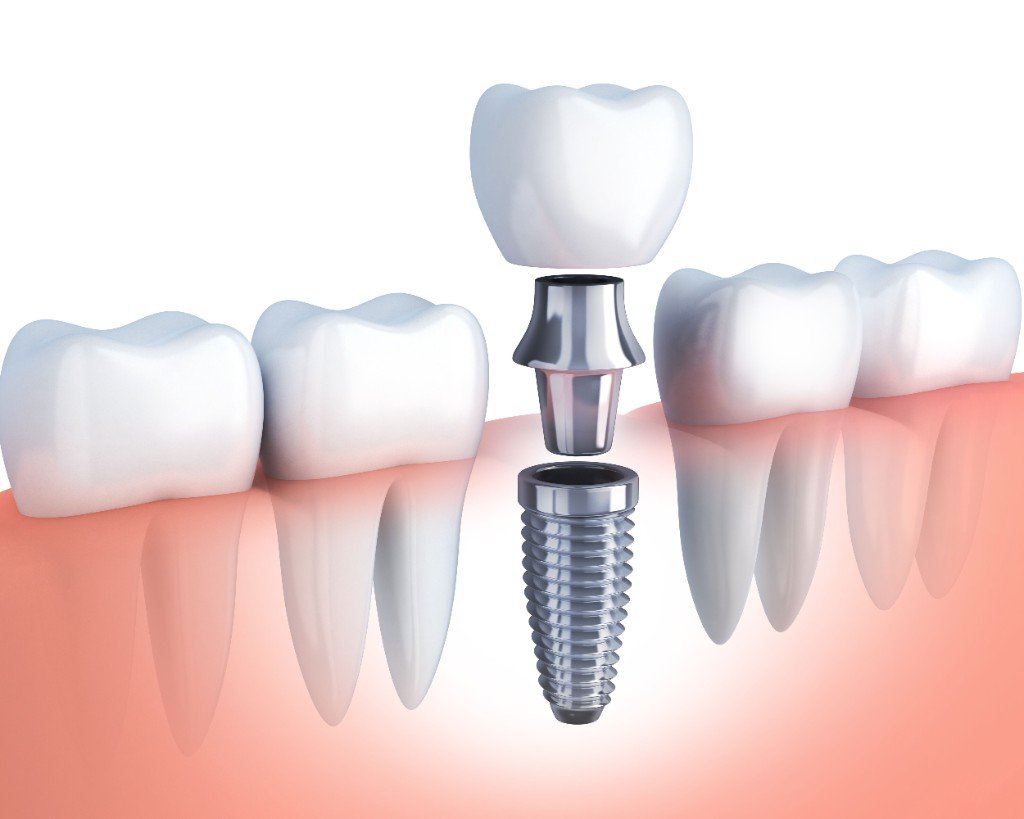
Dental implants are a tooth-replacement option designed to replace missing teeth. Treatment suitability depends on factors such as oral health, bone condition and the individual's treatment needs. A dentist should evaluate your condition before recommending treatment.
Dental implants are a tooth-replacement option designed to replace missing teeth.
People with one or more missing teeth may be considered after examination.
A dental implant is a small post, commonly made of titanium, placed in the jaw to support a crown, bridge or denture.
Bone, gums, sinus anatomy and medical history decide whether an implant is realistic.
Stitches or a healing cap are reviewed.
Select your concern.
A dental implant is a small post, commonly made of titanium, placed in the jaw to support a crown, bridge or denture. It is intended to replace the root of a missing tooth so a restoration can sit more stably than a removable option in suitable cases.
Dental implants are a tooth-replacement option designed to replace missing teeth. Treatment suitability depends on factors such as oral health, bone condition and the individual's treatment needs. A dentist should evaluate your condition before recommending treatment.
People with one or more missing teeth may be considered after examination. Suitability depends on gum health, bone volume, medical history, smoking status and oral hygiene. Implants are not automatically recommended for every missing tooth.
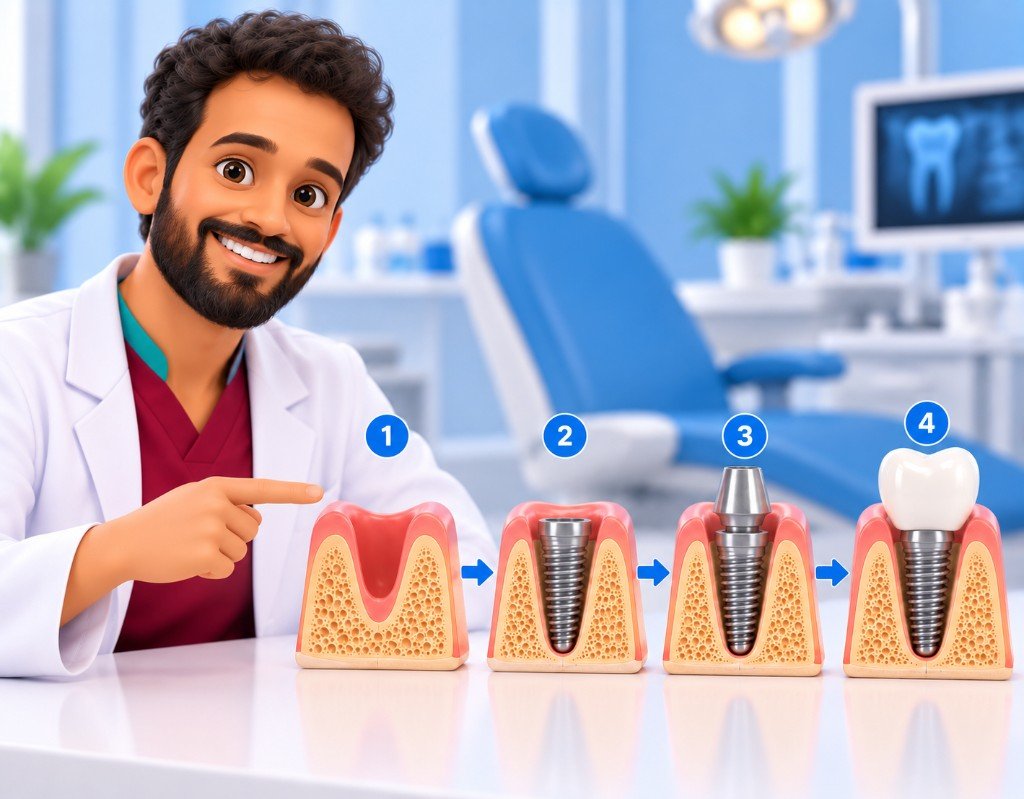
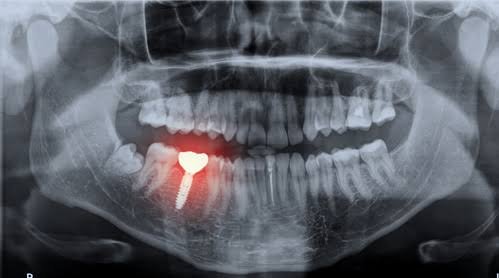
Planning usually starts with a clinical examination and imaging. At The Dental Hut, in-house CBCT and OPG imaging can help assess bone, nearby nerves and sinus anatomy when 3D information is needed. A staged plan may include extraction, bone grafting if indicated, implant placement, healing and later restoration.
After the implant has integrated with bone—or earlier, if the dentist judges conditions allow—an abutment and crown or other prosthesis is attached. Timelines vary. Some marketing claims of fixed teeth in a few days apply only to selected cases and should not be assumed.
Healing, oral hygiene and regular reviews affect long-term function. Implants can still develop gum inflammation if plaque control is poor. Risks include infection, implant failure and the need for additional procedures. Discuss expected visits, maintenance and alternatives such as bridges or dentures during consultation.
A dental consultation can help determine which tooth-replacement options may be appropriate for your situation.
A dental consultation can help determine which tooth-replacement options may be appropriate for your situation.
A dental consultation can help determine which tooth-replacement options may be appropriate for your situation.
A dental consultation can help determine which tooth-replacement options may be appropriate for your situation.
Dental implants are a tooth-replacement option designed to replace missing teeth. Treatment suitability depends on factors such as oral health, bone condition and the individual's treatment needs. A dentist should evaluate your condition before recommending treatment.
A dental implant is a small post, commonly made of titanium, placed in the jaw to support a crown, bridge or denture. It is intended to replace the root of a missing tooth so a restoration can sit more stably than a removable option in suitable cases.
People with one or more missing teeth may be considered after examination. Suitability depends on gum health, bone volume, medical history, smoking status and oral hygiene. Implants are not automatically recommended for every missing tooth.
Whether this treatment is appropriate depends on individual clinical evaluation.
Planning usually starts with a clinical examination and imaging. At The Dental Hut, in-house CBCT and OPG imaging can help assess bone, nearby nerves and sinus anatomy when 3D information is needed. A staged plan may include extraction, bone grafting if indicated, implant placement, healing and later restoration.
After the implant has integrated with bone—or earlier, if the dentist judges conditions allow—an abutment and crown or other prosthesis is attached. Timelines vary. Some marketing claims of fixed teeth in a few days apply only to selected cases and should not be assumed.
Healing, oral hygiene and regular reviews affect long-term function. Implants can still develop gum inflammation if plaque control is poor. Risks include infection, implant failure and the need for additional procedures. Discuss expected visits, maintenance and alternatives such as bridges or dentures during consultation.
Soft foods, cold packs as advised, and gentle cleaning around neighbouring teeth. Swelling often peaks in the first two days.
Rest, keep your head elevated if advised, and take medicines only as directed for you. Small oozing can occur. Do not poke the site.
Soft foods, cold packs as advised, and gentle cleaning around neighbouring teeth. Swelling often peaks in the first two days.
Stitches or a healing cap are reviewed. The final tooth is often delayed until bone has adapted.
What are dental implants? They are artificial tooth roots placed in the jaw to support a replacement tooth or denture after a dentist confirms the site is suitable.
Who may be suitable for dental implants? People whose jaws have finished growing, with controllable gum disease and enough bone—or a grafting plan—may be considered. Medical history still matters.
How does dental implant treatment work? Assessment and imaging, surgical placement, healing, then an abutment and crown or other prosthesis. Extra steps are added only when needed.
You describe what is bothering you and share medical and dental history. Questions come before any treatment is planned.
Teeth, gums and bite are examined in the chair so the concern is seen, not only described.
Bone, gums and nearby structures are assessed. In-house OPG or CBCT may be used in Airoli when 3D detail would change implant position.
Options, likely visits, aftercare and alternatives are discussed so you can decide.
The implant is placed under local anaesthesia when you have agreed the plan. Grafting is added only if anatomy requires it.
Healing is reviewed over weeks to months before the final tooth is fitted in many cases. Immediate teeth are not assumed.
The missing-tooth site, gums, bite and medical history are reviewed. Imaging is used when extra detail is likely to change implant position.
When you have agreed a plan, the implant is placed under local anaesthesia. Grafting is added only if anatomy requires it.
Bone and gums need time to adapt in many cases. Immediate teeth are a clinical judgement, not a default.
An abutment and crown, bridge or denture is attached when the dentist judges the site ready.
Cleaning around the implant and periodic reviews continue after the tooth is fitted.
Unlike many conventional bridges, an implant does not usually require grinding down adjacent healthy teeth.
When the plan succeeds, a restored implant can help you chew on that side. Function still depends on bite, gums and the prosthesis.
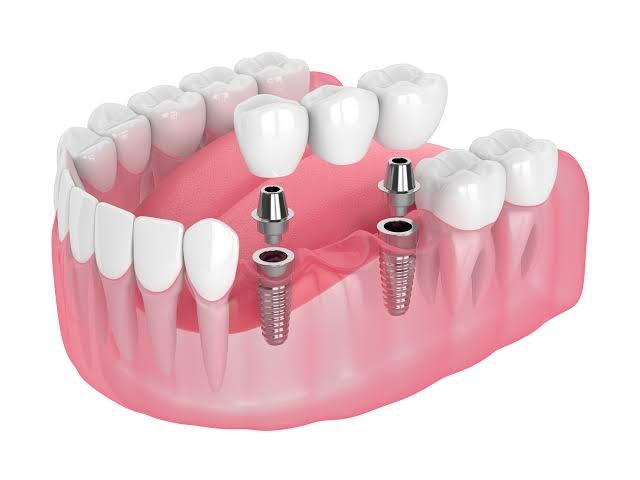
A crown or bridge on implants stays in the mouth. Implant dentures are a different design and may still be removable.
Bone, gums, sinus anatomy and medical history decide whether an implant is realistic. A webpage cannot confirm suitability.
Healing time is part of care. Marketing timelines of teeth in a set number of days do not apply to every site.
Implants can develop inflammation if cleaning is poor. Reviews continue after the crown is fitted.
Bridges or dentures remain appropriate for some people. Risks include infection, failure of integration and extra grafting.
Neither option is universally better. Your own teeth, bone and preferences decide after examination.
| Topic | Dental implant | Dental bridge |
|---|---|---|
| Purpose | Replace a missing tooth using a post in bone | Span a gap using neighbouring teeth |
| Typical process | Exam, imaging, placement, healing, restoration | Exam, prepare supports, temporary, fit |
| Considerations | Surgery and healing; bone may need grafting | Support teeth are prepared; cleaning under the pontic |
The Dental Hut in Airoli has in-house CBCT and OPG. Imaging may assist evaluation when it is clinically required. It is not a scan for every patient.
Cone-beam CT creates a 3D volume of teeth and jaws. It may be used for implant channels, some impacted teeth and selected endodontic questions.
An OPG is a 2D panoramic X-ray of both jaws. It is often enough for a broad survey of teeth, wisdom teeth and jaw relationships.
A clinical examination of teeth, gums and bite remains the starting point. Imaging is added only when extra detail is likely to change the plan.
Follow the instructions provided by your dentist.
Rest, keep your head elevated if advised, and take medicines only as directed for you. Small oozing can occur. Do not poke the site.
Soft foods, cold packs as advised, and gentle cleaning around neighbouring teeth. Swelling often peaks in the first two days.
Brush and use interdental aids around the implant as shown. Report bleeding, a bad taste or a loose crown. Night grinding may need a guard.
Stitches or a healing cap are reviewed. The final tooth is often delayed until bone has adapted.
Consider getting in touch if you notice:
Fees are quoted after examination.
Book a consultation to discuss your dental condition and treatment options
Every dental case is different. A consultation allows the dentist to evaluate your dental condition and discuss appropriate treatment options.

BDS · Dentist, Implantologist & Dental Surgeon
MSDC A-30506. Founder of The Dental Hut. BDS from Datta Meghe Institute of Medical Sciences, Wardha (May–June 2014 examination).

BDS · Dentist
MSDC A-30777. Co-founder of The Dental Hut. BDS from Datta Meghe Institute of Medical Sciences, Wardha.
I have been visiting Dr. Sunny Keshari for several years and have appreciated his polite and respectful approach. He takes time to explain the procedure and remains attentive to concerns even after treatment. My experience with dental implants and root canal treatment has been very positive.
H.M. Joshi
I visited The Dental Hut in Airoli for a consultation regarding dental implants. The dentist explained the treatment process, dental examination and planning clearly. The team was professional and welcoming throughout my visits. I would recommend The Dental Hut to anyone looking for dental implant treatment in Airoli.
Priya Sharma
They are artificial tooth roots placed in the jaw to support a replacement tooth or denture after a dentist confirms the site is suitable.
People whose jaws have finished growing, with controllable gum disease and enough bone—or a grafting plan—may be considered. Medical history still matters.
Assessment and imaging, surgical placement, healing, then an abutment and crown or other prosthesis. Extra steps are added only when needed.
Placement is usually done with local anaesthesia. Afterwards, aching and swelling for a few days are common. Comfort varies with grafting and the number of implants.
Many plans take several months because bone needs time to adapt. Some selected cases are restored sooner; that is a clinical judgement, not a promise.
You still need cleaning around the implant and periodic reviews. The prosthesis can be adjusted if the bite changes.
Yes, in selected plans, using several implants to support a bridge or denture. That is a larger rehabilitation than a single crown.
Yes. Plaque control and professional reviews reduce the risk of peri-implant inflammation. No device is guaranteed for life.
It is an artificial tooth root placed in the jaw to support a replacement tooth or teeth after a dentist confirms you are a suitable candidate.
Adults with adequate bone and healthy gums may be candidates. Medical conditions, medicines and smoking can affect eligibility. Only an in-person assessment can confirm this.
 Dental Implants in Airoli: A Complete Patient Guide
A practical guide to dental implants at The Dental Hut in Airoli covering evaluation, planning, healing and restoration.
 What Are Dental Implants?
Plain-language explanation of dental implant parts, how they work and when they are considered.
 Dental Implant Procedure: Step by Step
A staged walkthrough of dental implant treatment from consultation to final crown.
The Dental Hut is a dental clinic in Airoli, Navi Mumbai, providing consultations and dental treatments for a range of oral health concerns.
If you are looking into dental implants in Airoli, you can meet the dentists, read dental FAQs, or request a visit.
Dentist in Airoli · Dentist in Navi Mumbai · Dental clinic in Airoli
Have questions about your dental condition or this treatment? Book a consultation with The Dental Hut to discuss your concerns and understand the available options.
Monday–Saturday · 10:00 AM–1:50 PM and 5:30 PM–9:50 PM. Sunday closed. Plot B/21, opp. Apple Hospital, Sector 7, Airoli 400708.
 Crowns & Bridges
Learn more about crowns & bridges in Airoli
 Full Mouth Rehabilitation
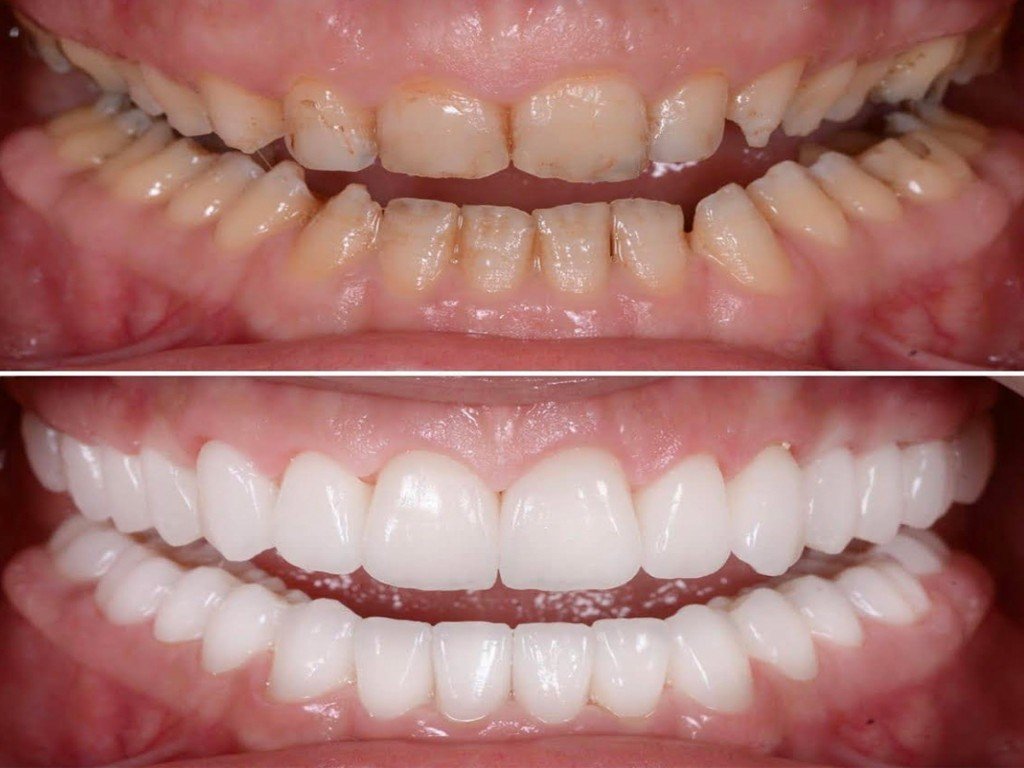
Learn more about full mouth rehabilitation in Airoli
 CBCT & OPG
Learn more about cbct & opg in Airoli
 Tooth Extraction
Learn more about tooth extraction in Airoli